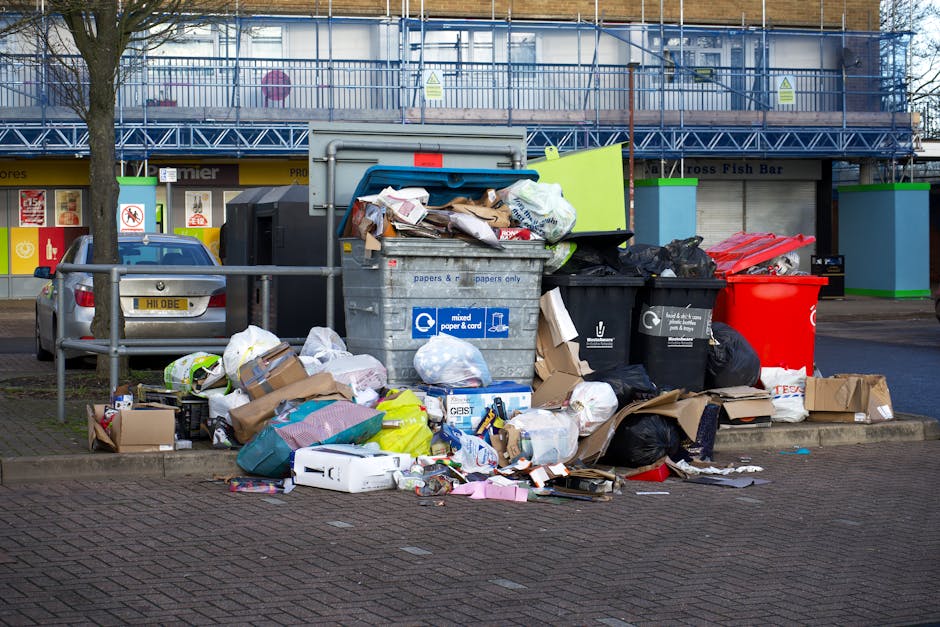
Rubbish Pickup Etiquette for Burwood Park Weybridge Homes
If you live in Burwood Park, Weybridge, rubbish collection can be one of those small household jobs that quietly affects the whole street. Get it right and everything feels calm, tidy, and unremarkable. Get it wrong and, well, you notice it straight away: bins left out too early, bags split on the pavement, lids not quite shut, a whiff in the morning air. This guide to Rubbish Pickup Etiquette for Burwood Park Weybridge Homes is here to help you keep collections smooth, neighbours happy, and your property looking cared for.
We'll cover how local rubbish pickup etiquette works in practice, why it matters in a place like Burwood Park, and the simple habits that make a real difference. You'll also find a step-by-step routine, common mistakes to avoid, a practical checklist, and a few realistic examples from day-to-day home life. Nothing fancy. Just useful guidance that makes the whole thing easier.
Table of Contents
- Why Rubbish Pickup Etiquette Matters
- How Rubbish Pickup Etiquette Works
- Key Benefits and Practical Advantages
- Who This Is For and When It Makes Sense
- Step-by-Step Guidance
- Expert Tips for Better Results
- Common Mistakes to Avoid
- Tools, Resources and Recommendations
- Law, Compliance, Standards, or Best Practice
- Options, Methods, or Comparison Table
- Case Study or Real-World Example
- Practical Checklist
- Conclusion
- Frequently Asked Questions
Why Rubbish Pickup Etiquette for Burwood Park Weybridge Homes Matters
Let's face it: rubbish is one of those things people only really talk about when it goes wrong. But in an area like Burwood Park, where homes are often well kept and streets feel quietly private, the standard you set at the kerb matters. Rubbish pickup etiquette is not just about putting bins out on the correct day. It's about respect, appearance, hygiene, and keeping shared spaces pleasant for everyone nearby.
Good etiquette helps avoid the little frictions that can build up between neighbours. A bag left in the wrong place can attract birds, cause litter to blow into driveways, or block access for pedestrians and vehicles. If you've ever heard the soft clatter of a lid in the dark at 6 a.m. and thought, "that could have been handled better," you already know the feeling.
It also matters because rubbish collection is part of the wider rhythm of a home. A tidy collection routine makes a property feel looked after. That matters whether you're living there, renting it out, preparing for visitors, or managing an empty house. In a place like Weybridge, where presentation tends to matter, these small routines add up fast.
Expert summary: The best rubbish etiquette is simple: present waste neatly, keep pathways clear, protect neighbours from mess or smell, and avoid creating extra work for the collection team. Small habits, big difference.
How Rubbish Pickup Etiquette for Burwood Park Weybridge Homes Works
At a practical level, rubbish pickup etiquette is the set of habits that help collections run smoothly without causing nuisance. That includes when you place bins out, how you separate waste, how you secure bags, and how quickly you bring everything back in after collection.
The exact collection setup can vary depending on your property and the local service arrangement, but the etiquette itself stays broadly similar. You're aiming for three things: tidiness, safety, and consideration. If you keep those in mind, most decisions become obvious.
What "good" looks like
- Bins are put out only when needed, not left out all week.
- Lids close properly, so waste is contained and weather is less of a problem.
- Loose items are bagged or bundled so nothing blows away.
- Overflow is avoided rather than hidden beside the bin.
- Bins are brought back promptly after collection.
- Driveways, pavements, and shared entrances are kept clear.
There is also a quiet social side to it. In neighbourhoods with close-set driveways or shared fronts, one household's waste habits can affect the feel of the whole row. Truth be told, most people notice more than they say.
If you also deal with bulky items, loft clear-outs, garage tidying, or garden waste, it helps to think beyond the weekly bin. Services such as house clearance and garden clearance can be useful when regular collections are not enough, especially after a seasonal tidy or a move.
Key Benefits and Practical Advantages
The benefits of good rubbish pickup etiquette are more practical than flashy, but they are real. You notice them most when they're missing. A tidy collection routine keeps a home easier to live in and easier to present, whether that means everyday family life or getting the property ready for viewings, guests, or tradespeople.
1. Cleaner kerbside presentation
Burwood Park homes often have a polished look, and waste left carelessly at the boundary quickly spoils that. A neat bin area keeps the front of the property looking cared for. That sounds small. It isn't.
2. Less smell and pest risk
Food waste, damp cardboard, and unsealed bags can create odour fast, especially in warmer weather or after a rainy morning. Keeping waste sealed and sorted reduces the chance of attracting pests or spreading mess.
3. Better neighbour relations
This one is underrated. Nobody wants to be the house everyone side-eyes on collection day. A considerate routine removes friction before it starts.
4. Easier collection for crews
When bins are accessible and sorted properly, collection is quicker and less likely to go wrong. That means fewer missed items, fewer complaints, and less stress for you.
5. Lower chance of avoidable damage
Overstuffed bins, sharp items, and loose heavy waste can damage bins, surfaces, and sometimes vehicles or footwear. A little care prevents a surprisingly annoying mess.
| Good etiquette | What it prevents | Why it matters in Weybridge homes |
|---|---|---|
| Securely bag waste | Litter, smells, animal disturbance | Keeps driveways and front gardens tidy |
| Return bins promptly | Clutter and obstruction | Maintains a neat street-facing appearance |
| Separate bulky items | Collection confusion | Useful for homes with limited storage space |
| Use responsible clearance options | Overflow and unsafe stacking | Helps during clear-outs or refurbishment |
Who This Is For and When It Makes Sense
This guide is for anyone living in or managing a home in Burwood Park, Weybridge who wants waste collection to be calm rather than chaotic. That includes homeowners, tenants, landlords, property managers, and anyone taking care of a second home or family property.
It also makes sense if your household generates more rubbish than a standard bin routine comfortably handles. That might be because you're decluttering, redecorating, gardening, clearing a loft, or just living with a busy family schedule. Rubbish etiquette becomes much easier when you know what to do before the pile builds up.
Common situations where etiquette matters most
- After a spring clean or Christmas clear-out.
- When moving in or moving out.
- During renovation or decorating work.
- After garden maintenance and hedge cutting.
- When several households share access or frontage space.
- When a property is unoccupied and needs regular oversight.
If you're managing more than one type of waste, it may help to think in categories: ordinary household rubbish, garden waste, bulky items, and business-related waste if you work from home or run a small operation. For non-domestic loads, a dedicated service such as business waste removal or waste removal may be the cleaner answer than trying to squeeze everything into the weekly routine.
And if you are dealing with furniture, don't just shove it by the gate and hope for the best. That's how collections get messy. Better to plan the right disposal route from the start, whether that means furniture disposal or a fuller furniture clearance arrangement.
Step-by-Step Guidance
If you want a straightforward routine, use this. It works for most homes and saves a lot of faffing about on collection day. Not glamorous, but effective.
Step 1: Check what needs to go out
Sort waste the evening before or the morning of collection. Look for overfilled bags, sharp items, food waste, cardboard, and anything that should be separated. A quick check avoids that "oh no, the lid won't shut" moment.
Step 2: Contain waste properly
Use strong bags and make sure lids close securely. If you have loose packaging, flatten it first. If something smells, bag it separately. If something could leak, double-check it. Simple stuff, but it saves headaches.
Step 3: Place bins neatly and safely
Put bins where they are easy to collect without blocking driveways, footpaths, or neighbours' access. Try to keep them aligned and stable. You'd be surprised how much better a tidy row looks compared with a random scatter of plastic and paper.
Step 4: Avoid overloading
Overfilled bins are awkward for everyone. Lids that won't close can lead to spillages and rejected items. If you have more than usual, do not just balance another bag on top and call it a day. That rarely ends well.
Step 5: Return bins promptly
Once collection is done, bring bins back in as soon as practical. Leaving them out too long can make a property look untidy and, in some streets, creates a bit of an obstruction. A quick return is one of the easiest etiquette wins there is.
Step 6: Tidy any stray debris
If a bag tears or something falls out, sweep it up quickly. Even a small amount of loose litter can travel surprisingly far in the wind. One gust and it is halfway down the pavement. Annoying, honestly.
Step 7: Reset for next time
After collection, give the bin area a quick rinse or wipe if needed, then make a mental note of any problems. Was the bin too full? Was the bag weak? Did the garden waste need bundling differently? Small adjustments make next week smoother.
Expert Tips for Better Results
Over time, the easiest rubbish routines are the ones that fit your household's real habits, not the ideal version of life where everyone remembers everything on time. Here are a few practical tips that tend to help.
Keep a "collection day" habit
Choose one consistent time to check bins. Some households do it after dinner. Others do it first thing in the morning. Pick a rhythm and stick to it. The fewer decisions you make on the day, the better.
Use one clear storage point
Have a designated place for spare bags, recycling containers, and bulky waste awaiting pickup. If everything is in one place, you are less likely to forget something or leave it blocking an entrance.
Think in weather
A dry spring morning is different from a blustery November evening. Cardboard gets soggy fast. Lightweight packaging can blow away. In rainy or windy weather, secure waste more carefully than usual.
Plan for occasional overflow
Most homes have weeks when waste spikes: guests, birthdays, garden work, school projects, new furniture. Don't panic when that happens. Plan a clearance option before it becomes a problem.
If you're clearing a loft, garage, or spare room, you may find that the volume is not really "bin waste" at all. It's more like a mixed load that needs proper sorting. Services such as loft clearance or garage clearance are often the cleaner way to deal with that sort of thing.
Match the service to the waste
Not everything belongs in a standard household bin. Garden cuttings, broken furniture, office furniture, and builders' debris each have their own sensible route. For example, renovation waste is usually better handled through builders waste clearance, while a full property reset may suit home clearance.
Leave enough time
Rubbish jobs always take longer than the five minutes you planned. Always. Build in a little breathing room, especially if you need to move bulky items, separate materials, or clear access before collection.
Common Mistakes to Avoid
Most rubbish pickup problems are not dramatic. They are ordinary little mistakes repeated over and over. The good news? They are easy to fix once you spot them.
- Leaving bins out too early or too late: This creates clutter or missed collection risk.
- Overfilling containers: A lid that won't close is usually a sign to stop and reassess.
- Mixing unsuitable waste types: Doing so can create contamination or practical collection issues.
- Placing loose items beside bins: These tend to scatter, especially on windy days.
- Ignoring sharp or heavy items: These need extra care and proper containment.
- Assuming bulky waste can wait indefinitely: It often becomes a bigger problem the longer it sits.
- Forgetting to bring bins back in: Small thing, but it changes the whole feel of the front of a property.
One surprisingly common issue is "temporary" dumping. You know the sort of thing: a chair by the gate, a rolled carpet on the side, two broken shelves leaning against the hedge. It looks like a plan, but without a collection plan it just becomes clutter. And clutter, if we're honest, has a habit of breeding.
Tools, Resources and Recommendations
You do not need a cupboard full of specialist gear to manage rubbish well, but a few simple tools make life easier.
Useful household tools
- Strong refuse sacks: Helpful for mixed household rubbish and items with sharp edges.
- Reusable bin liners: Good for keeping indoor bins clean and easier to empty.
- Gloves: Useful for handling garden waste, awkward packaging, or dusty items.
- Hand trolley or sack truck: Handy if bulky items need moving without dragging them across paving.
- Labels or marker pens: Good for sorting items into keep, donate, recycle, or clear-away piles.
Service recommendations to consider
If your waste is growing beyond normal household collection, it may be worth looking at the type of clearance rather than just the timing. A few examples:
- Flat clearance for compact spaces with limited storage.
- Office clearance for home offices or mixed business items.
- Garden clearance after hedge cutting, pruning, or seasonal tidy-ups.
- Recycling and sustainability for a more responsible approach to disposal choices.
- Pricing and quotes if you want to compare options before booking anything.
There is no prize for wrestling a sofa through the hallway alone. If a job is bigger than a normal bin run, choosing the right service is often the smart, time-saving move.
Law, Compliance, Standards, or Best Practice
Waste disposal in the UK sits within a framework of local rules, environmental responsibilities, and common-sense expectations. I'll keep this plain: the exact collection arrangement depends on your local service and the type of waste, so it is worth checking what applies to your household before setting anything out.
From a best-practice point of view, the main principles are straightforward. Keep waste contained. Do not obstruct access routes. Do not place hazardous items in normal rubbish unless the collection service specifically allows it. And do not leave waste where it could create a nuisance, spread contamination, or become a trip hazard.
For homes dealing with larger quantities, mixed materials, or items from refurbishment, using a provider with clear policies can add reassurance. Pages such as health and safety policy, insurance and safety, and recycling and sustainability help show the sort of standards responsible operators should be thinking about.
It is also sensible to think about privacy, security, and fair handling when waste contains documents, packaging, or personal items. A little care now avoids awkwardness later. That's just good household practice, really.
For readers comparing providers or planning a larger clearance job, it can help to review operational pages such as about us, payment and security, and complaints procedure so you know how a service is run and what support is available if something goes wrong.
Options, Methods, or Comparison Table
There are a few sensible ways to manage waste around Burwood Park homes. The right choice depends on how much you need to clear, what sort of items you have, and how quickly you want the space back.
| Method | Best for | Pros | Watch-outs |
|---|---|---|---|
| Standard bin collection | Regular household rubbish | Simple, predictable, low effort | Limited capacity; not suitable for bulky items |
| Bulk item disposal | Single large items or a small group of items | Efficient for furniture or awkward loads | Needs planning and access space |
| House clearance | Whole rooms, property refreshes, move-outs | Comprehensive and time-saving | More involved than a normal bin routine |
| Garden clearance | Cuttings, hedge waste, outdoor clutter | Keeps outdoor spaces neat quickly | Moist green waste can be heavy and bulky |
| Builders waste clearance | DIY and refurbishment debris | Better for mixed construction waste | Must be handled carefully and legally |
In many real homes, the answer is a mix. Regular weekly bin use handles the day-to-day. Then, when the pile grows, a proper clearance service steps in and prevents the whole setup from getting messy. Simple enough, but easy to ignore until the hallway starts looking like a storage unit.
Case Study or Real-World Example
Here's a realistic example. A family in a Burwood Park home had just finished a half-term clean-up, a bit of garden work, and a room reshuffle. Nothing dramatic. But by Thursday evening, the bins were full, a broken patio chair was waiting in the utility room, and cardboard from a furniture delivery was stacked awkwardly near the side gate.
At first, they tried to manage it as if it were all normal rubbish. That's where things started to unravel. The bin lids would not shut, the cardboard got damp, and the chair took up space they needed for the following day's collection. Not a disaster, but a nuisance.
Once they split the waste into sensible groups, things improved quickly. Food and daily rubbish stayed in the regular bin. The cardboard was flattened and tied. The broken chair and other unwanted items were handled as a separate clearance job. The garden waste was bundled properly. By the next collection, the frontage looked clear again and the family had one less thing nagging at them.
That is the whole point, really. Rubbish etiquette is not about being perfect. It is about stopping small issues from becoming a weekly irritant.
Practical Checklist
Use this quick checklist before every collection day:
- Have I separated general waste from bulky, garden, or special items?
- Are all bags tied securely and bins not overloaded?
- Are lids able to close properly?
- Have I kept access routes clear for neighbours and collection crews?
- Are any loose items tied, flattened, or bundled?
- Is there anything sharp, heavy, or awkward that needs special handling?
- Will I remember to bring the bin back in after collection?
- Do I need a larger clearance service for anything outside normal collection?
Quick rule of thumb: if it looks untidy in daylight, it will look worse at dawn. Sort it now, save the bother later.
Conclusion
Good rubbish pickup etiquette for Burwood Park Weybridge homes is not complicated, but it does reward a bit of care. Keep waste contained, avoid blocking access, bring bins back in promptly, and choose the right disposal method when the load is bigger than normal. Those habits protect your home's appearance, reduce friction with neighbours, and make collection days feel far less stressful.
Most of all, it helps your home feel looked after. And in a place like Burwood Park, that matters more than people sometimes admit. A neat frontage, a clean bin area, and a sensible routine make a quieter, better day for everyone involved.
Get a free quote today and see how much you can save.
If you are planning a larger clear-out, the next sensible step is to compare your options, check the type of waste involved, and choose the route that fits your schedule and your property. No drama. Just a cleaner, calmer result.
Frequently Asked Questions
What is rubbish pickup etiquette for Burwood Park Weybridge homes?
It is the set of practical habits that keep waste collections tidy, safe, and considerate. That includes how you bag waste, where you place bins, when you put them out, and how quickly you bring them back in.
How early should I put bins out?
Put them out according to your collection routine, but not so early that they clutter the frontage for longer than necessary. A short window is usually best. If you can avoid leaving bins out all day or overnight, even better.
What should I do if the bin is full before collection day?
Do not force the lid shut or leave loose bags beside it if you can avoid it. Separate anything that can wait, flatten packaging, and consider whether the extra waste needs a one-off clearance solution.
Can I leave bulky waste by the gate for collection?
Only if you have arranged a suitable pickup that accepts bulky items. Otherwise, it can become an obstruction or a mess. It is usually better to plan a dedicated collection for furniture, large household items, or renovation debris.
How do I keep rubbish from smelling before pickup?
Bag food waste securely, keep lids closed, and avoid leaving damp packaging sitting around. In warmer weather, make sure waste is not left in direct sun any longer than necessary. A quick rinse of food containers can help too.
What if my neighbours leave rubbish out badly?
That can be awkward. If it is a recurring issue, the best approach is usually calm and polite. Sometimes a friendly word helps. If it's a managed property or shared frontage, there may be house rules to follow.
Is garden waste treated differently from general rubbish?
Often, yes. Garden waste can be heavy, wet, and bulky, so it is usually better handled separately. For larger amounts, a garden clearance service is often more practical than trying to squeeze it into a normal bin cycle.
Do I need a clearance service for furniture?
If the item is too large for normal disposal or you have several pieces at once, a dedicated furniture solution is usually the easiest route. Options like furniture clearance or furniture disposal can save a lot of time and effort.
What are the most common rubbish pickup mistakes?
The big ones are overfilling bins, leaving loose rubbish outside, forgetting to bring bins back in, and mixing waste types that should be handled separately. Those little slips are easy to make and equally easy to avoid once you have a routine.
When should I use a waste removal service instead of normal collection?
Use a waste removal service when the waste volume is too large, too mixed, or too awkward for standard collections. This is especially useful after clear-outs, decorating work, garage tidying, or when you are dealing with items that do not belong in a regular bin.
How can I make rubbish day look tidier from the street?
Keep bins aligned, close lids properly, flatten packaging, and avoid leaving extra bags in view. A clean, organised waste area makes a bigger difference than most people expect. It is one of those things people notice without realising they've noticed.
Where can I find more information about service standards and policies?
If you are comparing providers, it helps to review pages like health and safety policy, insurance and safety, and pricing and quotes so you understand how the service works and what to expect.