Permit Requirements for Large Rubbish Loads KT13 Weybridge
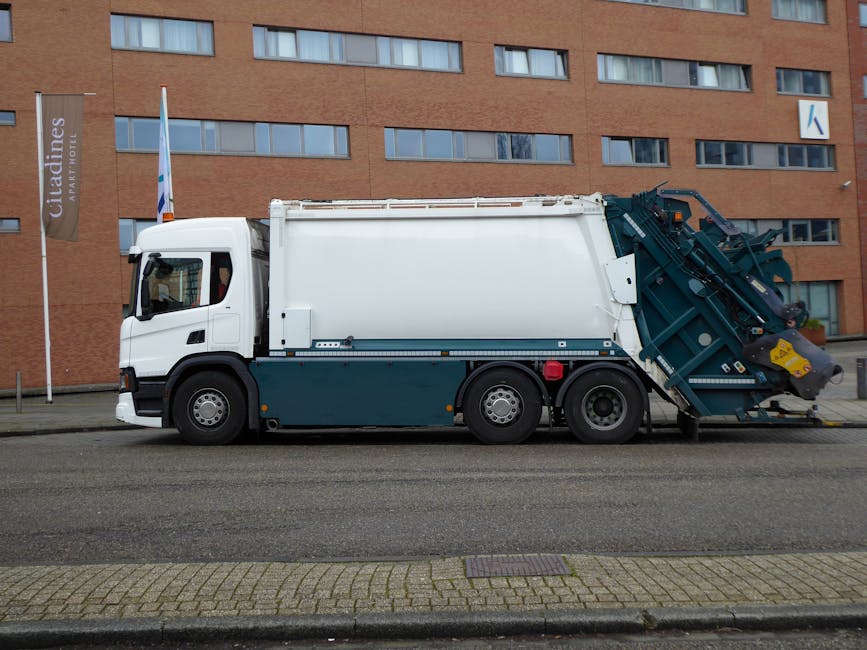
If you are planning a big clear-out in Weybridge, the permit side of things can feel a bit murky at first. One minute you are just getting rid of an old shed, some builders' rubble, or a garage full of clutter; the next you are trying to work out whether a skip permit is needed, who is responsible for it, and what happens if the waste is left on a public road in KT13. This guide explains Permit Requirements for Large Rubbish Loads KT13 Weybridge in plain English, with the practical details that matter on the ground.
We will look at how permits usually work, when they are needed, how large loads are handled, and how to avoid delays or awkward surprises. We will also cover safer alternatives if your rubbish load is too bulky for a casual DIY approach. Truth be told, it is often less about the waste itself and more about where it sits while it is waiting to be collected. That is where most problems start.
Why Permit Requirements for Large Rubbish Loads KT13 Weybridge Matters
When a rubbish load is large, the logistics change quickly. A few black bags is one thing; a full room clearance, broken furniture, garden waste, or renovation debris is another. In KT13 Weybridge, the key issue is often not how much rubbish you have, but whether the container, skip, van, or loading arrangement occupies public land or affects traffic, pedestrians, or parking. That is the point where permit requirements become relevant.
A permit is there to control use of shared space. If a skip, large container, or collection setup sits on a road, pavement, or other public area, a local authority may need to approve it. Without that approval, you risk delays, extra charges, or the collection being refused. And nobody wants a half-full skip sat outside for days because the paperwork is not in place. It is messy, it is inconvenient, and it usually costs more in the end.
There is also a safety angle. Large loads can obstruct sightlines, make parking awkward, or create trip hazards if they are not positioned properly. In wetter months, when pavements are already slick and leaves are everywhere, poor placement becomes more than an inconvenience. It becomes a real nuisance for neighbours and passers-by.
Expert summary: If your large rubbish load stays entirely on private land, a permit may not be needed. If it touches public space in any way, check the rules first. That single question saves a lot of hassle.
For householders, landlords, tradespeople, and small businesses, getting the permit question right means the project can run smoothly from the outset. It also helps you choose the most sensible removal method, whether that is a skip, a man-and-van style clearance, or a wider service such as professional waste removal or a more tailored clearance service like house clearance.
How Permit Requirements for Large Rubbish Loads KT13 Weybridge Works
In simple terms, the permit process is about permission to place or manage waste in a way that affects public space. For most people in Weybridge, this comes up when hiring a skip or arranging a large waste container that cannot be kept wholly within a driveway or private garden. The detail varies depending on the setup, but the logic is broadly the same.
Typically, the process starts with identifying where the waste will sit, how long it will remain there, and whether it creates a hazard or blocks access. If the container is on a road or pavement, permission is more likely to be needed. If it is tucked inside a private drive with enough clearance and no overhang, the permit issue may disappear altogether. That is the bit people sometimes miss in a rush.
Large loads can also involve multiple collection methods. A bulky furniture job, for example, may be easier through a direct clearance service than through a skip permit. Likewise, a builder's waste pile may call for a different approach from a garden tidy-up. If your project involves rubble, plasterboard, timber, old fixtures, or mixed debris, a service such as builders waste clearance can sometimes be more efficient than setting up a skip on the road.
There are a few moving parts to think about:
- Location: private land versus public highway space.
- Duration: how long the large rubbish load will stay in place.
- Type of waste: mixed household waste, green waste, bulky items, or construction debris.
- Access: whether vehicles, pedestrians, and neighbours still have safe passage.
- Responsibility: who is arranging the permit and who is liable if something goes wrong.
To be fair, the rules can feel fiddly. But once you understand that permits are mainly about public safety and road use, the process becomes much easier to navigate.
Key Benefits and Practical Advantages
Getting the permit side right does more than keep you compliant. It makes the whole job easier to manage, especially when the waste load is large or the property access is tight. In Weybridge, where some streets are narrow and parking is already at a premium, that can make a real difference.
- Fewer delays: you avoid last-minute collection issues and repeated rearrangements.
- Lower risk of penalties: unpermitted containers or roadside placements can lead to problems.
- Better neighbour relations: a tidy, properly placed load causes less friction.
- Safer site conditions: fewer obstructions and fewer hazards around the property.
- Cleaner project planning: the clearance process feels more organised from day one.
There is also a practical advantage that people underestimate: peace of mind. If you know the permit box has been ticked, you can focus on the actual clear-out instead of wondering whether someone will complain or whether the collection team will turn up and refuse to proceed.
For businesses, the benefits are even sharper. Office refurbishments, shop clearances, and ongoing trade waste arrangements often need more careful coordination. If you are dealing with regular volumes rather than a one-off load, it may be worth looking at business waste removal and checking whether a repeat collection plan makes more sense than one-off permit juggling.
Who This Is For and When It Makes Sense
This topic matters to a surprisingly wide range of people. If you have more than a few bin bags, or if your waste is awkward, heavy, or bulky, it is worth paying attention to permit requirements early. That applies whether you are clearing out one room or dealing with a whole property.
Here are some common situations where permit questions come up:
- Homeowners clearing a loft, garage, garden, or full house.
- Landlords preparing a rental property between tenancies.
- Contractors handling renovation debris or building waste.
- Office managers dealing with furniture, filing cabinets, and mixed refuse.
- People moving house who need to dispose of unwanted items quickly.
- Families sorting an inherited property or long-neglected storage space.
Sometimes the waste itself is not the issue. The issue is access. A collection lorry may not fit on a driveway, or a skip may not fit where you hoped. In that case, a smaller-load method or a room-by-room clearance can be smarter. For example, a cramped flat often benefits from a managed service such as flat clearance, while a property with roof-space clutter may be better handled through loft clearance.
And yes, sometimes the easiest option is simply the one that avoids a permit altogether. Not glamorous, but very sensible.
Step-by-Step Guidance
If you want to handle a large rubbish load without unnecessary stress, it helps to work through the job in a clear order. The steps below are practical, not theoretical. They are the kind of thing that saves time on a cold Thursday morning when the pile is already growing by the door.
- Assess the waste volume. Work out whether you are dealing with a few bulky items, a mixed clearance, or a full load of heavy material. Take a quick walk-through of the property and note what is going.
- Check where the waste will sit. If it can remain entirely on private land, you may not need a permit. If anything spills into public space, assume you need to check.
- Separate the waste type. Furniture, green waste, construction debris, and general household rubbish may be handled differently. Some materials need more care than others.
- Choose the most suitable removal method. A skip, a clearance crew, or a direct collection all have different pros and cons. If you are disposing of furniture, a dedicated service such as furniture disposal can be more efficient than hiring a container for mixed waste.
- Confirm access. Measure gates, driveways, doorways, and any awkward turns. This sounds obvious, but it is one of the most common snags.
- Plan the timing. Think about school runs, neighbour parking patterns, weather, and any other local pressures. The quieter the window, the smoother the job.
- Arrange the permit if needed. Make sure the responsibility is clear. If a provider is organising it, ask what is included and what timing is required.
- Prepare the site. Clear vehicles, move fragile items, and make sure the collection point is safe and visible.
- Complete the load efficiently. Keep walkways open and avoid overfilling. A neat load is safer and usually easier to remove.
- Review the finish. Check the area after collection. Small bits of debris, broken glass, or screws often get missed in the rush.
If you are already in the planning stage, it can help to compare pricing and booking options early through pricing and quotes. That way, the permit or clearance decision is based on the real job, not guesswork.
Expert Tips for Better Results
A few small decisions can make a surprisingly big difference. In our experience, the smoothest jobs are rarely the flashiest ones; they are the ones that were thought through properly before the first item moved.
- Measure before you hire. Take actual measurements of the access route and the available parking space. Tape measure in hand, not a rough guess.
- Be honest about volume. People often underestimate how much rubbish they have. A single room can become two loads very quickly.
- Separate awkward items early. Mattresses, broken furniture, timber, and garden waste are easier to manage when grouped logically.
- Keep documentation handy. If a permit is needed, keep details, dates, and contact information together in one place.
- Think about recycling first. A cleaner, sorted load is often easier to process responsibly. That matters if you care about the environmental side, and most people do once they see the pile up close.
- Ask who handles the permit. This is a simple but important question. Never assume.
A small human aside: I have seen more than one clear-out go sideways because the client thought "the van can just wait there for a bit". That "bit" turns into ten minutes, then half an hour, then awkward phone calls. Best avoided.
If you want to keep the job tidy from start to finish, services with a strong focus on handling waste properly, such as recycling and sustainability, are worth paying attention to. It is not just about removing things. It is about removing them well.
Common Mistakes to Avoid
Most permit problems are not dramatic. They are ordinary little mistakes that snowball. The good news is that nearly all of them are avoidable.
- Assuming a driveway counts as private space without checking overhang. Even a small encroachment onto the road can change the rules.
- Leaving permit checks until the last minute. If the work starts before the permit is sorted, everything becomes more expensive and stressful.
- Choosing the wrong removal method. A skip is not always the best answer. Sometimes it is too much, or simply in the wrong place.
- Mixing hazardous items in with general rubbish. Paints, chemicals, sharp metal, and electrical waste need careful handling.
- Underestimating access problems. Narrow lanes, tight turns, and low walls can all matter more than you expect.
- Not checking collection timing. A permit may cover a date range, but if your collection slips, you can run into trouble.
One common mistake deserves extra emphasis: assuming "large load" just means "lots of bags". It often means bulky, heavy, or awkward waste that changes the method entirely. A few big items can be more troublesome than a dozen light sacks. Funny how that works.
Tools, Resources and Recommendations
You do not need fancy equipment to plan a large rubbish load properly. A few basic tools will do most of the heavy lifting.
- Measuring tape: useful for gates, driveways, access paths, and item dimensions.
- Notebook or phone notes: keep a simple list of waste types and rough volumes.
- Camera: quick photos help when describing the job to a clearance team.
- Gloves and sturdy footwear: basic safety kit for handling rough edges, splinters, or broken items.
- Boxes or bags for sorting: useful if you want to separate recycling, donation-worthy items, and general waste.
- Labels or tape: handy for marking items you want to keep out of the clearance.
For bigger household jobs, it can also help to break the work into zones: loft, garage, kitchen, garden, then the final sweep. A structured service such as home clearance can be a sensible fit where multiple rooms are involved, while garage clearance works well when the load is concentrated in one storage area.
On the trust side, it is sensible to review pages that explain company standards before booking. Pages such as health and safety policy, insurance and safety, and about us can give you a better sense of how a provider works and what standards they follow.
Law, Compliance, Standards and Best Practice
Large rubbish loads touch on several compliance themes, even when the work seems straightforward. In the UK, the broad principle is that waste should be handled safely, responsibly, and in a way that does not cause nuisance or obstruction. Exact permit rules can vary depending on location, road access, the type of container, and the local authority's procedures.
For that reason, it is best to treat any roadside placement as something that may need formal approval. If you are not sure, check before the load arrives. That is the cleanest approach and the least risky one. It also keeps neighbours happier, which, let's face it, matters more than people admit.
Best practice usually includes the following:
- keeping waste contained and stable
- maintaining clear pedestrian access where possible
- avoiding dangerous overfilling
- separating waste streams where practical
- making sure the collection method suits the site
- confirming who is responsible for permits, safety, and collection timing
If your waste is commercial rather than domestic, extra care may be needed around duty of care, documentation, and regular removal schedules. That is one reason businesses often favour structured arrangements rather than ad hoc disposal. A service like business waste removal can be the more practical route if the waste stream is ongoing.
The main thing is not to guess. A quiet, careful check at the start is much better than dealing with complaints or failed collections later on.
Options, Methods, or Comparison Table
There is no single best method for every large rubbish load. The right choice depends on space, access, waste type, and timing. The table below gives a practical comparison.
| Method | Best for | Permit risk | Practical note |
|---|---|---|---|
| Skip hire | Mixed bulky waste, renovation debris, larger one-off loads | Higher if placed on a public road | Good for convenience, but access and permit planning matter |
| Man-and-van clearance | Furniture, household clutter, smaller mixed loads | Usually lower, depending on loading location | Useful where space is tight and you want a quicker turnaround |
| Room-specific clearance | Lofts, garages, flats, single zones of clutter | Often lower | Works well when the rubbish is concentrated in one area |
| Dedicated builders' clearance | Trade waste, rubble, site debris | Depends on the setup | Best when the waste is heavy or material-specific |
There is a neat lesson here: the cheapest-looking option is not always the cheapest once permits, time, and access issues are counted. If a skip needs road placement, and that means a permit plus extra waiting, a straightforward clearance could be better value in real terms.
Case Study or Real-World Example
Consider a typical KT13 scenario. A homeowner in Weybridge is clearing an attached garage after years of "we'll deal with it later" storage. There are broken shelves, old paint tins, a couple of wardrobes, garden trimmings, and some leftover renovation material from a previous project. The first thought is to hire a big skip and place it outside the house.
Then the access reality kicks in. The driveway is short, the road is fairly busy in the mornings, and a skip on the street would likely need a permit. That means extra planning, possible timing restrictions, and a higher chance of something delaying the whole job. So the owner decides to split the load: furniture and general clutter are removed through a clearance visit, and the remaining bulky items are dealt with separately.
The result? Less disruption, no roadside obstruction, and no awkward week-long wait for a skip to be filled. The garage is cleared by late afternoon, and the front of the house does not look like a mini building site. Not glamorous, but very effective.
A similar approach works for flats, offices, and garden projects too. A compact job can often be solved more cleanly when you match the method to the space rather than forcing a one-size-fits-all solution.
Practical Checklist
Use this simple checklist before arranging a large rubbish load in KT13 Weybridge:
- Identify exactly what needs removing.
- Estimate volume and weight as accurately as you can.
- Check whether the load will stay on private land only.
- Confirm whether a permit is needed for roadside placement.
- Measure access points, driveway width, and clearance height if relevant.
- Separate furniture, green waste, builders' waste, and general rubbish where possible.
- Remove hazardous or restricted items from the main load.
- Decide whether skip hire or direct clearance is the better fit.
- Ask who is responsible for permits and timing.
- Review pricing, safety, and recycling expectations before booking.
- Prepare the site so the collection goes quickly and safely.
- Do a final sweep after removal for leftover debris.
That is usually enough to prevent most of the avoidable headaches. Simple, really. Simple, but not always easy when the house is full and the clock is ticking.
Get a free quote today and see how much you can save.
Conclusion
Permit Requirements for Large Rubbish Loads KT13 Weybridge may sound like a narrow topic, but in real life it sits at the centre of smooth, safe, and stress-free waste removal. The main question is usually not "how much rubbish do I have?" but "where will it be stored or collected from?" Once you answer that, the rest becomes much clearer.
For some jobs, a permit-backed skip is the right answer. For others, a direct clearance, room-specific service, or tailored waste removal plan is better and simpler. The key is to match the method to the property, the access, and the waste itself. If you do that, you avoid the scramble, the delays, and the little frustrations that can turn a tidy project into a messy one.
And if you are standing in a hallway looking at a pile of old furniture, wondering where on earth to begin, start with the permit question first. It is a small step, but it sets everything else up properly. One calm decision at the start can save a whole lot of noise later.
Frequently Asked Questions
Do I always need a permit for a large rubbish load in KT13 Weybridge?
No, not always. If the waste stays entirely on private land, a permit may not be needed. If any part of the load, container, or collection setup uses public space, you should check the permit rules before proceeding.
What counts as a large rubbish load?
It usually means enough waste to need a planned collection method rather than standard bin disposal. That might include bulky furniture, builders' debris, garden waste, or several loads of household clutter. The exact threshold is practical rather than fixed.
Is a skip permit different from a waste removal licence?
Yes, in normal usage they are different things. A skip permit is usually about placing a container on public land. Waste removal itself relates to how rubbish is collected and handled. The two can overlap, but they are not the same.
Who is responsible for arranging the permit?
It depends on the setup. Sometimes the skip provider or clearance company handles it; sometimes the customer does. Always ask before booking so there is no confusion on the day.
How long does a permit usually take to arrange?
That varies by local process and timing. It is sensible to leave enough lead time and not assume it can be sorted at the last minute. A calm plan beats a rushed one every time.
Can I put a skip on my driveway without a permit?
Often yes, if it remains fully on private property and does not overhang public space. But access, surface protection, and size still matter, so it is worth checking the details first.
What happens if I place large rubbish on the road without permission?
You could face delays, removal issues, or enforcement action. Even when nothing dramatic happens, it can still create complaints and inconvenience. Better to confirm the rules beforehand.
Is it better to use skip hire or a clearance service?
It depends on the waste type, access, and how much work you want to do yourself. Skip hire suits some projects; a clearance service is often easier for bulky furniture, mixed household waste, or tight-access properties.
What if my rubbish includes furniture, garden waste, and builders' waste together?
That is common, especially during refurbishments or property clear-outs. Mixed loads can be manageable, but they are often easier to handle when sorted in advance. If not, a comprehensive service may be more efficient than trying to do everything separately.
Do permits affect the overall cost of large rubbish removal?
Yes, they can. The permit itself, plus any timing or access constraints, may influence the final price. That is why getting a proper quote early is so helpful.
Can large rubbish loads be removed from flats or upper floors?
Yes, but access matters a lot. Flats and upper-floor properties often need a more careful plan, especially with stairs, lifts, or shared entrances. In those cases, a tailored service can save time and reduce disruption.
How do I prepare for a large rubbish collection?
Measure access points, separate waste types, remove hazardous items, and make sure the collection area is clear. A short preparation period makes the actual clearance much smoother.
Where can I find more information about related services?
You can review useful pages such as furniture clearance, garden clearance, and office clearance to see which type of removal fits your situation best.
What is the safest next step if I am unsure about the permit?
Start by checking whether the load will occupy public space, then compare the removal methods that fit your access and waste type. If in doubt, use a provider that can explain the process clearly and help you avoid unnecessary risk.