Elmbridge Council Rubbish Rules and Penalties Weybridge
If you live, work, or manage a property in Weybridge, rubbish rules are one of those things that only become interesting when something goes wrong. A bag is left out too early. A sofa appears on the pavement. Garden waste gets mixed with general rubbish. Then suddenly the question becomes: what are the Elmbridge Council rubbish rules and penalties in Weybridge, and how do you stay on the right side of them?
This guide breaks it down in plain English. You will learn how local waste rules usually work, where people most often slip up, what penalties can follow, and how to make sensible decisions if you are clearing a home, a flat, an office, or a builder's job. I'll also show you how to avoid the awkward, costly mistakes that tend to happen on a damp Tuesday morning when the bin is already full and everyone is in a rush.
Quick takeaway: The safest approach is simple: sort waste properly, use the right collection method, keep pavements clear, and make sure any removal service is handled responsibly. That alone avoids most trouble.
Table of Contents
- Why Elmbridge Council Rubbish Rules and Penalties Weybridge Matters
- How Elmbridge Council Rubbish Rules and Penalties Weybridge Works
- Key Benefits and Practical Advantages
- Who This Is For and When It Makes Sense
- Step-by-Step Guidance
- Expert Tips for Better Results
- Common Mistakes to Avoid
- Tools, Resources and Recommendations
- Law, Compliance, Standards, or Best Practice
- Options, Methods, or Comparison Table
- Case Study or Real-World Example
- Practical Checklist
- Conclusion
- Frequently Asked Questions
Why Elmbridge Council Rubbish Rules and Penalties Weybridge Matters
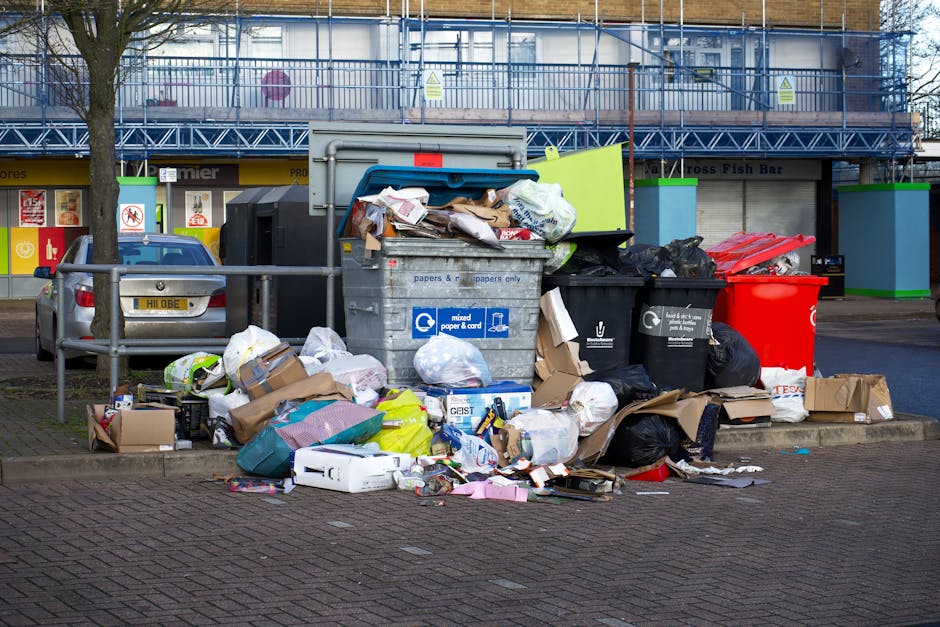
Local rubbish rules matter because waste is not just a household nuisance. It affects neighbours, footpaths, fly-tipping risk, vermin control, recycling performance, and the general look and feel of Weybridge streets. One overfilled bin or one dumped mattress can snowball into complaints very quickly. Truth be told, people often underestimate how visible waste is until they stand on the opposite side of the road and see it there.
Elmbridge Council rubbish rules in Weybridge are there to keep collections orderly and public spaces usable. That means placing waste out correctly, separating recyclable materials where required, respecting collection times, and avoiding anything that could be considered obstruction, nuisance, or illegal dumping. If rules are ignored, penalties can follow. Sometimes that is a warning or a request to fix the issue. In more serious cases, fixed penalties or enforcement action may be involved. The exact outcome depends on the situation, the waste involved, and the council's current enforcement approach.
For homeowners, landlords, agents, and businesses, the risk is not only financial. There is also time lost dealing with complaints, missed collections, and unnecessary stress. I have seen people spend longer arguing over a rubbish issue than it would have taken to sort the clearance properly in the first place. A bit frustrating, yes. Avoidable too.
If you are planning a bigger clearance, it helps to think beyond the bin. You may need a proper removal plan for loft contents, garage clutter, old furniture, or mixed waste from a renovation. In those cases, a structured service such as home clearance or house clearance can reduce the chance of local rules being breached by accident.
How Elmbridge Council Rubbish Rules and Penalties Weybridge Works
At a practical level, rubbish rules usually cover how waste is stored, sorted, presented for collection, and transported away. In Weybridge, that means understanding what belongs in your bins, what needs separate handling, and what must not be left in public spaces. Councils also tend to care about timing. A bin left out too early or left behind long after collection can create a mess and trigger a complaint.
Penalties generally come into play when waste is placed incorrectly, dumped illegally, or handled in a way that causes nuisance or environmental harm. For example, leaving bags on a verge because the bin is full is not a clever workaround. Neither is putting rubble into a domestic bin, or leaving a broken wardrobe beside the road and hoping for the best. Let's face it, councils see these moves all the time.
For larger jobs, the rules become even more important. Builders' waste, office clear-outs, and bulky furniture disposal often need separate planning. Mixed waste can be heavier, more awkward, and more likely to create compliance problems if it is not handled properly. If you are managing renovation debris, a dedicated builders waste clearance approach is usually safer than trying to squeeze everything into ordinary household disposal.
There is also the matter of duty of care, which in plain English means waste should be passed to someone who can handle it properly. If a collection is arranged, it should be with a responsible operator, and you should keep records where appropriate. For businesses, this is especially important. The wrong disposal route can create much bigger headaches than the original pile of waste ever did.
Key Benefits and Practical Advantages
Following the rules is not just about avoiding fines. It usually makes life easier in very visible ways.
- Fewer complaints from neighbours because waste is removed cleanly and on time.
- Lower risk of enforcement action from poorly placed rubbish or illegal dumping.
- Better recycling outcomes when materials are separated properly.
- Less clutter and stress during moves, refurbishments, or family clear-outs.
- Safer access for residents, visitors, tradespeople, and delivery drivers.
There is also a practical money-saving angle. Sorted waste is usually easier to deal with than a mixed, last-minute mountain of random items. A sofa, a broken table, two bags of old clothes, paint tins, and half a shed's worth of timber all mixed together can make disposal more complicated than it needs to be. When waste is organised, the whole process tends to be calmer. And calmer is cheaper more often than not.
For example, if you are emptying a property after tenants move out, a structured flat clearance or loft clearance can prevent random items being left in communal areas, which is where trouble often starts.
Who This Is For and When It Makes Sense
This topic matters to more people than you might expect. In Weybridge, the most common situations include:
- Homeowners clearing a garage, loft, garden, or full property.
- Landlords and letting agents dealing with end-of-tenancy waste.
- Businesses managing office furniture, paperwork, or general waste.
- Tradespeople removing builders' debris and renovation offcuts.
- Families handling bereavement clearances or downsizing.
- People with bulky items that do not fit standard bin collections.
It makes sense to think about the council rules any time your waste goes beyond ordinary weekly bin use. A small bag of kitchen rubbish is one thing. A dismantled bed frame, a cracked fridge shelf, or a pile of hedge trimmings is another. If you are not sure how a particular item should be handled, pause and check before you put it out.
That pause matters. In practice, most problems happen because someone is busy, assumes a shortcut is fine, and then the issue becomes visible to the whole street. Even a quick review can save you from a mess later.
If you have bulky household items rather than general waste, it may be worth looking at furniture disposal or furniture clearance options instead of trying to improvise with the bins.
Step-by-Step Guidance
Here is a sensible way to stay compliant and avoid penalties in Weybridge.
- Identify the waste type. Separate general rubbish, recyclables, bulky items, green waste, and construction debris.
- Check the collection method. Use your normal bins only for permitted household waste. Anything larger may need special handling.
- Keep waste on your property until collection time. Do not block pavements, driveways, or shared access routes.
- Break down items where possible. Flat-packed waste is easier to manage and often less likely to cause problems.
- Use approved removal routes for bulk waste. If the load is too large or awkward, arrange a proper clearance service.
- Keep the area tidy after collection. Little bits of cardboard or broken glass are easy to miss, but they matter.
- Retain any paperwork. For business waste especially, records can be useful if questions arise later.
A practical example: if you are clearing a shed, do not just drag everything to the kerb and hope collection day will solve it. Sort the metal, timber, old paint, and general junk separately. If needed, book a garden or garage-specific clearance rather than letting the heap become a council problem. That approach is usually smoother, and much less embarrassing.
For outdoor waste, especially after heavy pruning or a landscaping project, a dedicated garden clearance can be a lot more sensible than overloading bins with branches and soil.
Expert Tips for Better Results
After dealing with enough clearances, a few patterns become obvious. The first is that people often leave sorting too late. The second is that they underestimate bulky waste. The third is that they forget communal areas are shared spaces, not storage space. Small thing, big difference.
- Plan the clearance before bin day. If you wait until the morning of collection, you are more likely to make a rushed decision.
- Keep hazardous or awkward materials separate. Paint, chemicals, broken glass, and electrical items deserve special care.
- Measure large items if access is tight. Stairwells, narrow halls, and basement steps can make a simple job messy.
- Photograph the waste before and after. Handy for landlords, agents, and business records.
- Ask what happens to mixed waste. Recycling and responsible sorting are usually better than a vague "we'll take it all" promise.
If you are arranging a commercial clear-out, it is worth using a service designed for business waste rather than treating it like household rubbish. A proper business waste removal plan can help keep you organised and reduce compliance risk.
And a small human tip: if the job looks too big at 4 p.m. on a Friday, it probably is. Sleep on it, if you can. The pile will still be there in the morning, unfortunately, but your decisions will be better.
Common Mistakes to Avoid
Most penalties and complaints come from a fairly short list of avoidable errors.
- Leaving rubbish in the wrong place such as beside bins, on pavements, or in shared hallways.
- Using household bins for non-household waste like rubble, plasterboard, or heavy renovation debris.
- Mixing everything together and assuming someone else will sort it later.
- Ignoring timing rules by putting waste out too early or leaving it too long.
- Passing waste to unverified collectors without checking whether they handle it properly.
- Forgetting hidden waste in lofts, garages, under stairs, and sheds.
Another common mistake is thinking that small items do not matter. They do. A single chair dumped in the wrong spot can attract more dumping. Once that starts, it becomes a visual magnet. It sounds dramatic, but it happens all the time in real life. One bag becomes three, then six, then suddenly the whole corner looks neglected.
If you are emptying a property room by room, a broader service like home clearance can help you avoid those half-finished piles that sit around for days and create extra risk.
Tools, Resources and Recommendations
You do not need fancy equipment to stay compliant, but a few simple tools make a big difference.
- Strong refuse sacks for separating lightweight waste.
- Labels or marker pens to identify recyclables, donate items, or disposal-only waste.
- Gloves and basic protective gear for sharp, dirty, or dusty items.
- A tape measure for bulky furniture or clearance access points.
- Phone camera for record-keeping before and after removal.
- A clear booking plan so waste is removed promptly instead of drifting into the next week.
For people dealing with a single difficult item, waste removal is often the simplest route. If the task is larger or emotionally loaded, such as a bereavement or a long-term declutter, a full-service clearance can save a lot of strain. You are not just moving rubbish; you are moving a problem out of the way, and that can be a relief.
It is also worth reviewing the company's policies if you are hiring someone. Pages like pricing and quotes, recycling and sustainability, insurance and safety, and health and safety policy can help you judge whether the service is set up properly.
Law, Compliance, Standards, or Best Practice
When people talk about rubbish rules, they often mean a mixture of council instructions, environmental duties, and common-sense property management. The exact enforcement details can change, so it is wise to check current Elmbridge Council guidance directly if you need a definitive answer for a specific situation. That said, the best-practice principles remain fairly steady.
In general, compliance means:
- putting waste out only when and where it is allowed;
- keeping public land, shared access, and pavements clear;
- separating recyclables and non-recyclables where relevant;
- using lawful and traceable disposal routes;
- avoiding fly-tipping, dumping, or nuisance storage;
- keeping appropriate records where business waste is involved.
For businesses and landlords, the duty of care side matters even more. It is not enough to say, "We put it out for collection." You need confidence that the waste is being handled properly from start to finish. If you are unsure, a transparent provider with clear policies is usually the safer bet.
In practice, the safest path is to use the right service for the right job. A small office move may call for office clearance, while a heavier renovation job may need builders waste clearance. Right tool, right waste. Simple, really.
Options, Methods, or Comparison Table
Not every waste problem needs the same solution. Here is a straightforward comparison to help you choose the most sensible route.
| Method | Best for | Pros | Watch-outs |
|---|---|---|---|
| Normal council bin collection | Everyday household rubbish | Convenient, routine, usually low effort | Not suitable for bulky, heavy, or special waste |
| Separate bulk or item-specific disposal | Furniture, appliances, garden waste | Cleaner handling, less mess, better fit for large items | Needs planning and correct item sorting |
| Full property clearance | Moves, bereavement, deep declutter, tenancy end | Fast, coordinated, reduces clutter and stress | Choose a reputable provider and confirm scope clearly |
| Trade or builders clearance | Renovation debris and site waste | Better for mixed construction waste and site safety | Do not mix with standard domestic waste |
| Business waste removal | Offices, shops, work premises | Supports compliance, records, and tidy premises | Paperwork and duty of care should be clear |
If you are still deciding, ask yourself one question: is this waste something that belongs in a normal household cycle, or is it a bigger job with extra risk attached? That question usually sorts the answer faster than any brochure does.
Case Study or Real-World Example
A Weybridge homeowner recently faced a familiar problem: a garage full of old furniture, garden tools, and several bags of mixed clutter. Nothing dangerous, but enough to create a genuine issue. The first instinct was to leave a few bags near the bin area and tackle the rest later. That is where trouble often begins.
Instead, the items were sorted into three piles: reusable furniture, general junk, and garden waste. The furniture was handled through a dedicated clearance route, the green waste was separated, and the remaining items were removed in one go. No overflow, no awkward pile on the pavement, no argument with the neighbours. It was not glamorous, obviously, but it worked.
The lesson here is simple. Once waste is broken into the right categories, everything becomes easier. The property looked better, the accessway stayed clear, and the chance of any council issue dropped sharply. A small bit of organisation made a bigger difference than people expect.
Practical Checklist
Use this before you put anything out or book a clearance.
- Have I identified the waste type correctly?
- Does this item belong in a normal bin collection?
- Will it block a pavement, entrance, or shared route?
- Do I need to separate recyclables, garden waste, or construction debris?
- Is the item too large, heavy, or awkward for normal disposal?
- Have I checked for sharp, hazardous, or messy contents?
- Do I need records or receipts for business or landlord purposes?
- Have I chosen a reliable removal method?
- Will the area be left tidy after collection?
- Could a full clearance service save time and reduce risk?
If you answer "no" to more than one of those questions, that is usually a sign to slow down and choose a better disposal method. No drama. Just a better plan.
Conclusion
Elmbridge Council rubbish rules and penalties in Weybridge are ultimately about keeping waste controlled, public spaces clear, and collections predictable. The people who stay trouble-free are usually not the ones who know every fine detail by heart. They are the ones who plan ahead, separate waste sensibly, and avoid the casual "I'll just leave it there for now" approach.
Whether you are clearing a loft, managing a tenancy, tidying a garden, or organising business waste, the same principle applies: use the right method for the right type of rubbish, and do not leave problems in shared spaces. That one habit removes a surprising amount of stress.
When the job is bigger than a few bin bags, a professional clearance can be the calmer, cleaner route. And honestly, on a wet Weybridge afternoon with a full driveway and nowhere to put a sofa, calm is underrated.
Get a free quote today and see how much you can save.
For more about the team behind these services, you can also visit about us or get in touch through the contact page if you want to discuss a specific clearance calmly and clearly.
Frequently Asked Questions
What are the main Elmbridge Council rubbish rules in Weybridge?
The main rules usually focus on correct bin use, approved collection times, keeping pavements and shared areas clear, and disposing of waste through lawful routes. Bigger items often need separate handling.
Can I leave rubbish beside the bin if it does not fit?
Usually no. Leaving waste beside the bin is a common way to create complaints and possible enforcement issues. If the waste does not fit, it normally needs a different disposal method.
What kind of rubbish is most likely to cause a penalty?
Bulky items dumped in public spaces, fly-tipped waste, construction debris mixed with household rubbish, and repeated misuse of collection points are all higher-risk scenarios.
Do I need to separate garden waste from general rubbish?
Yes, that is often the sensible approach. Garden waste can usually be managed more cleanly when kept separate from general household clutter, especially if you are booking a clearance.
What should landlords in Weybridge do about left-behind rubbish?
Landlords should clear waste promptly, avoid blocking communal areas, and keep records of disposal arrangements where useful. A full flat clearance is often the cleanest solution after a tenancy ends.
Are business waste rules different from home waste rules?
Yes, in practice they usually are. Businesses have a stronger duty to manage waste responsibly and keep records where needed. Using a dedicated business service helps reduce compliance risk.
How can I avoid rubbish penalties when moving house?
Sort everything early, separate bulky items, and do not leave bags in communal areas or on the street. A planned house clearance or removal service can make moving day much easier.
What if I have old furniture that will not fit in my bin?
Furniture should usually be handled separately rather than forced into standard rubbish arrangements. Services such as furniture disposal or furniture clearance are designed for exactly that sort of problem.
Is fly-tipping the same as putting waste out too early?
Not exactly, but both can create enforcement trouble. Fly-tipping usually means illegal dumping, while leaving waste out too early or in the wrong place can still cause a breach of local rules.
How do I know whether a removal company is a good choice?
Look for clear pricing, sensible policies, safe working practices, and a responsible approach to sorting and disposal. Pages like recycling and sustainability and insurance and safety can help you judge how seriously a company takes the job.
Can one small mistake really lead to a fine?
Sometimes yes, especially if the mistake involves nuisance, repeated problems, or waste left where it should not be. More often, the issue starts with a warning or request to correct it, but it is best not to test that theory.
What is the safest option for a big clear-out?
The safest option is usually to sort the waste first and then choose the right clearance route for the type of material involved. If the job is large or awkward, a proper service is usually far better than trying to improvise with bins and kerbside piles.